CASE STUDIES ON THE COLLECTION VOLUME METHOD
 CASE STUDIES ON THE COLLECTION VOLUME METHOD
Including comparisons with the ESE standard, NF C 17-102.
By Z. A. Hartono & I Robiah
Senior Members IEEE
October 2010
E-mail: zahartono@ieee.org
Summary
The collection volume method (CVM) was developed as an alternative to the existing
air terminal (i.e. lightning rod) positioning methods found in the national and international
lightning protection standards. It was first used in conjunction with the Dynasphere, a
proprietary air terminal that works on the early streamer emission (ESE) principle.
The validity of the CVM came into question as the number of buildings installed with
the Dynasphere air terminals and afflicted with multiple bypasses (i.e. lightning strike
damages) increased. This report evaluates the CVM based on the field experiences in Kuala
Lumpur and comparing it with the ESE air terminal technology.
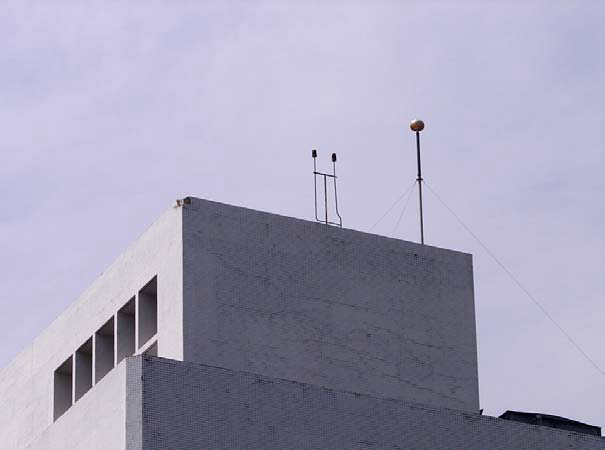
Cover picture:
The Dynasphere air terminal and a nearby bypass on a building in Kuala Lumpur.
1. THE COLLECTION VOLUME METHOD
The collection volume method (CVM) was developed by A. J. Eriksson in 1979 as an
alternative to the existing air terminal (i.e. lightning rod) placement methods found in the
national and international lightning protection standards. The CVM was first used as a
proprietary method for the Dynasphere, an early streamer emission (ESE) air terminal, about
decade later.
According to a Dynasphere product brochure, the CVM is “an improved Electrogeometric
Model for defining lightning capture areas. This model allows computation of
parabolic-like lightning “collection volumes” (shown in blue) for all potential strike points
on a structure. The model takes into account many fundamental physical quantities such as
structure height, electric field intensification on the approach of a downward leader, leader
velocity ratio, downward leader charge and site altitude. It uses the concept of “attractive
radius” ? the capture radius of the collection volume when viewed in plan. The collection
volume assumes all points on a structure are able to launch an intercepting upward leader
(shown in red), but differentiates these points based on the field intensification they create as
shown in the figure below”. (See Figs. 1, 2 and 3)
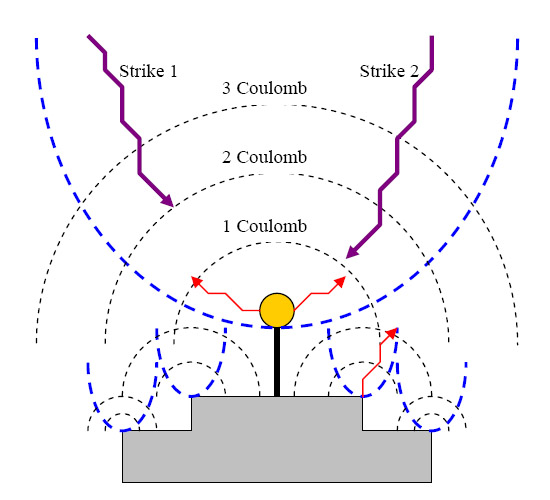
Figure 1: The CVM concept reproduced from a Dynasphere product brochure.
In the graphical description of the CVM, the collection volume of the Dynasphere air terminal (orange ball) is always shown as the biggest of them all since it is claimed that the field intensification at the terminal is the highest. The “attractive radius” of the Dynasphere collection volume, when viewed in plan, is claimed to cover the whole building. Hence, it is claimed that lightning down leaders that descend into the Dynasphere collection volume will be collected at the air terminal instead of at the remote corners of the building.
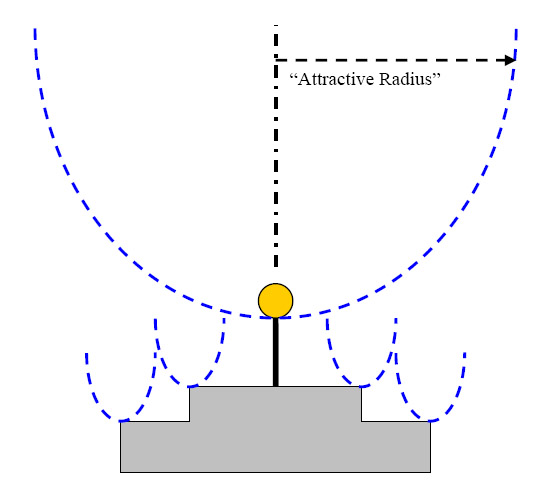
Figure 2: The “attractive radius” of the Dynasphere.
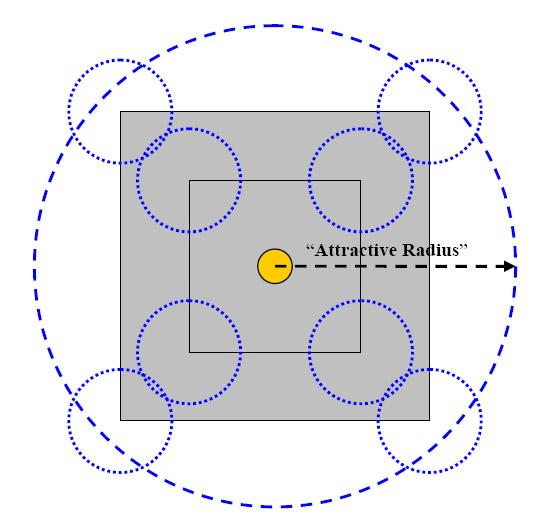
Figure 3: The “attractive radius” of the Dynasphere (when viewed in plan).
Although the CVM was included in the Australian standard (AS1768:1991) only as an
informative annex, most users (in Malaysia) who had purchased the Dynasphere air terminals
had done so on the assumption that the method was “valid” since it is included in the
standard. They were unaware that the CVM was not in the body of the standard and that it
should not have been applied.
When the Australian standard was being revised in early 2002, proponents of the
CVM, led by Erico, submitted data on the performance of the CVM which was collected in
collaboration with a lightning research team from the University of Technology Malaysia
(UTM). The CVM was renamed as the Field Intensification Method (FIM) but the method
seemed identical in nature.
When the raw Malaysian data was reviewed, it was found that the lightning counter
readings, which formed the basis of the claimed effectiveness of the CVM, were found to be
seriously flawed. The high counter readings were believed to be the result of using inaccurate
and unreliable commercial grade lightning event counters manufactured by Erico and their
predecessors.
http://ieeexplore.ieee.org/xpl/freeabs_all.jsp?arnumber=4559918
The CVM was finally deleted from the Australian standard in 2003 after the
proponents failed to show solid evidence that the method is effective when applied on
buildings in Malaysia. The CVM was also rejected by the National Fire Protection
Association (NFPA), the lightning protection standard body of the USA, in 2005 for similar
reasons.
Interestingly, the CVM was also rejected by SIRIM, the Malaysian standards body,
when it was proposed for inclusion in the revised Malaysian lightning protection standard by
UTM researchers in 2000.
2. CASE STUDIES ON THE CVM
The following selected case studies demonstrate the failure of the CVM as a placement method for air terminals.
2.1 SIRIM Building 2, Shah Alam
This 20 metre high building was installed with the Dynasphere ESE air terminal in
1991. It is connected to an adjacent building (Building 3) via a circular staircase. Building 3
was also installed with a French made ESE air terminal (Fig. 4).
In 1995, a bypass was observed at the upper corner of Building 3 near the staircase.
The distance between the bypass and the Dynasphere was about 60 metres i.e. still within the
claimed “attractive radius” of the Dynasphere air terminal (Figs. 5, 6 and 7).
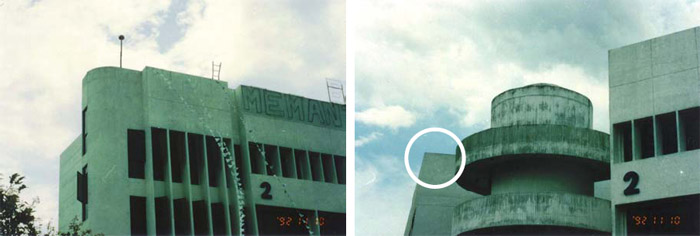
Figure 4: The Dynasphere on Building 2 (left) and the undamaged roof corner of Building 3 (right)
taken in 1992.
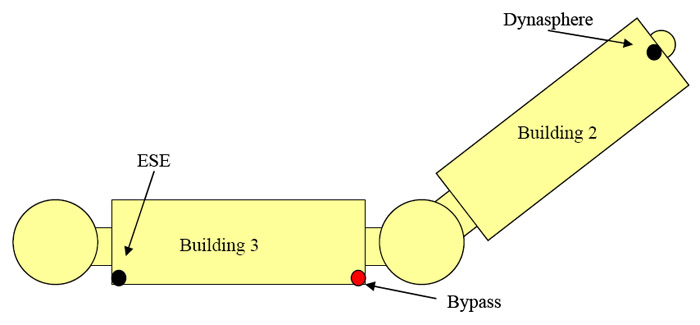
Figure 5: Plan view of Buildings 2 and 3 showing the relative positions of the air terminals and the
bypass.
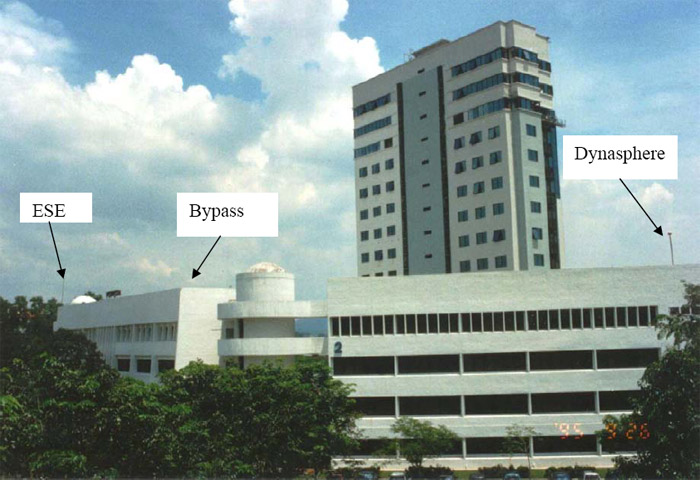
Figure 6: A wide angle photo of buildings 2 and 3 which showed the positions of the Dynasphere and
ESE air terminals and the bypass.
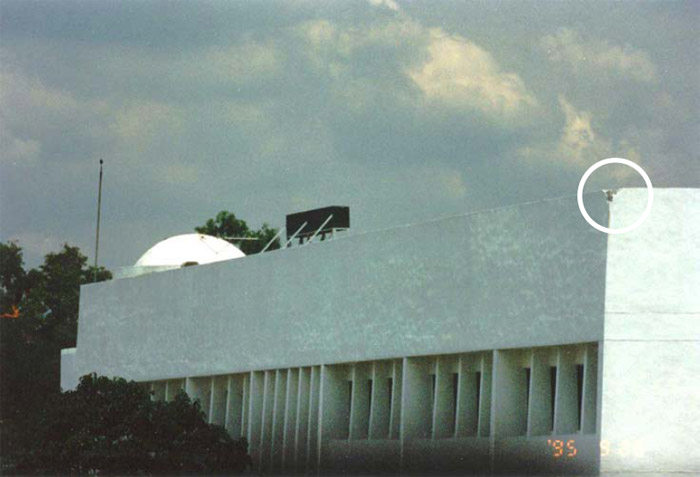
Figure 7: Close-up of the bypass (right) and the ESE air terminal (left) on Building 3.
The SIRIM case study also demonstrated that lightning can bypass both the ESE and Dynasphere air terminals at the same time, hence casting doubts about the validity of the CVM and the ESE standard, NF C 17-102.
2.2 Royal Selangor Club (RSC) Building, Damansara
The 25 metre high RSC building was installed with the Dynasphere air terminal at the centre of the roof in February 1998. In May 1998, a small bypass was observed on the rear upper facade of the roof less than 20 metres away from the air terminal. In May 2001, a bigger bypass was observed on the front upper facade (Figs. 8 and 9).
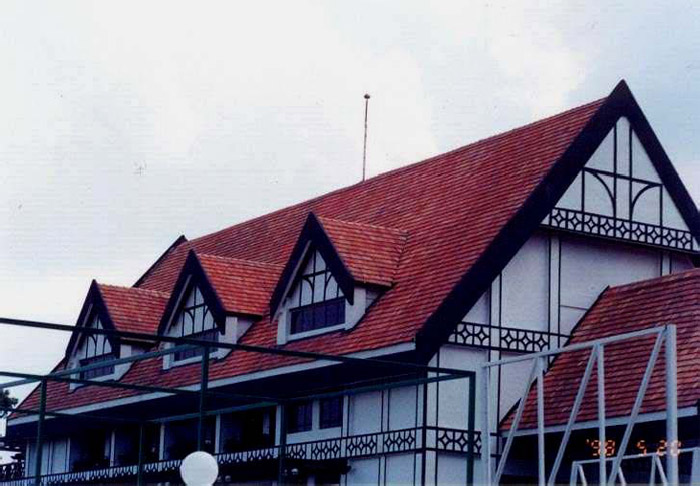
Figure 8: The Dynasphere installed on the roof of the RSC building in 1998.
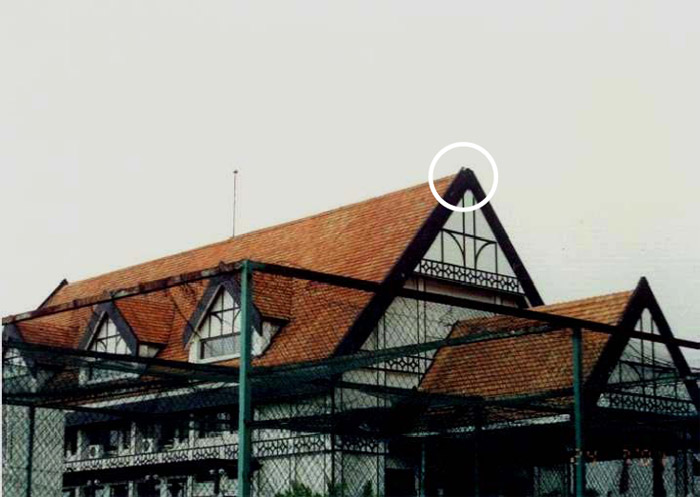
Figure 9: The bypass on the front facade observed in May 2001.
In 2004, the RSC building underwent a major renovation and the damaged facade was repaired. The Dynasphere air terminal was also replaced with a Spanish made ESE air terminal (Fig. 10). A bypass was observed again on the repaired facade a year later (Fig. 11). The three bypasses again cast doubts on the validity of the CVM and the ESE standard as an air terminal placement method (Fig. 12).
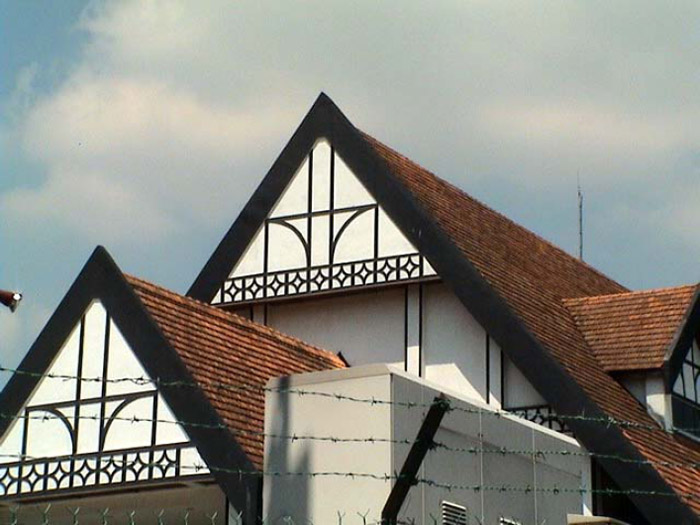
Figure 10: The repaired facade and the new Spanish made ESE air terminal in 2004.
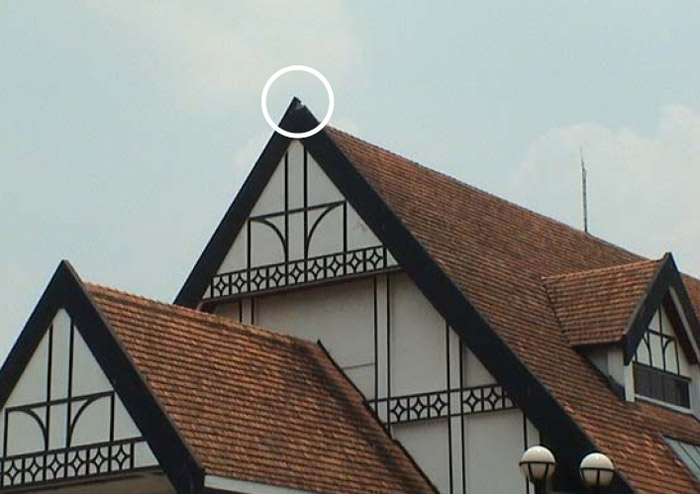
Figure 11: In 2005, another bypass was observed at the same front facade.
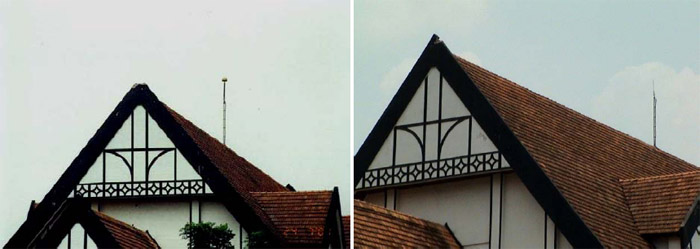
Figure 12: The bypasses at the RSC building suggest that neither the CVM nor the ESE standard,
NFC 17-102, is a valid air terminal placement method.
2.3 TNB District Cooling System (DCS) Building, Pantai Valley
The 30 metre high L-shaped DSC building was installed with the Dynasphere air
terminal in 1994. The building, owned by the power utility company Tenaga Nasional Berhad
(TNB), is located on a hillside of the Pantai Valley (Fig. 12).
At least five (5) bypasses have been observed and recorded in the last 16 years with
one of the bypass located about 10 metres away from the Dynasphere air terminal. Two
bypasses were observed on the curved edge of the parapet walls which is supposed to have a
negligible or no collection volume according to the CVM hypothesis (Figs. 13 to 16).
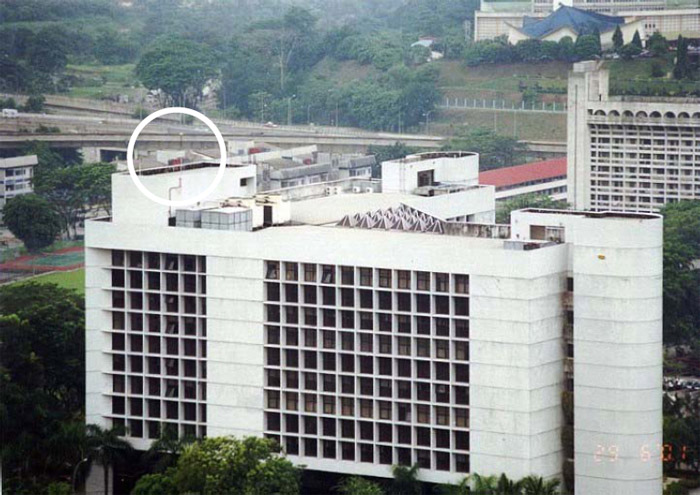
Figure 12: The DCS building photographed from another building which is located to the North-West.
The Dynasphere air terminal (circled) was installed at the centre of the building.
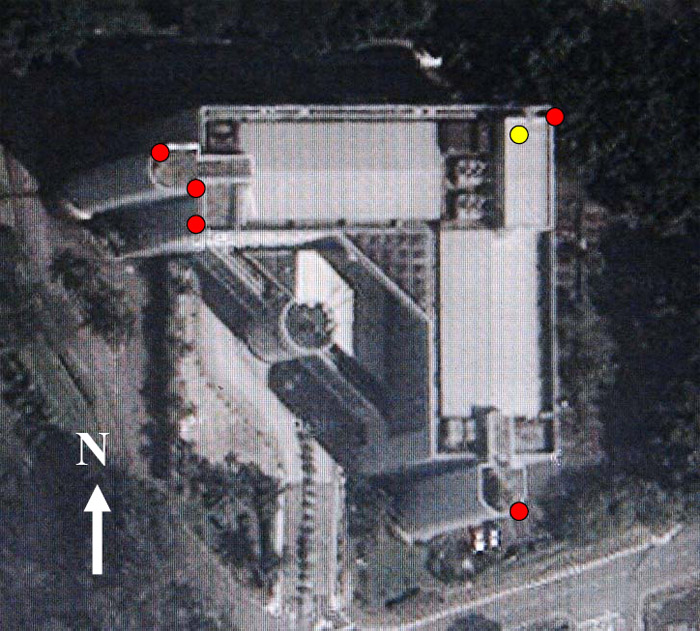
Figure 13: The location of the bypasses (red dots) and the Dynasphere air terminal (yellow dot)
on the rooftop of the DCS building. (Photo: Google Maps/satellite view)
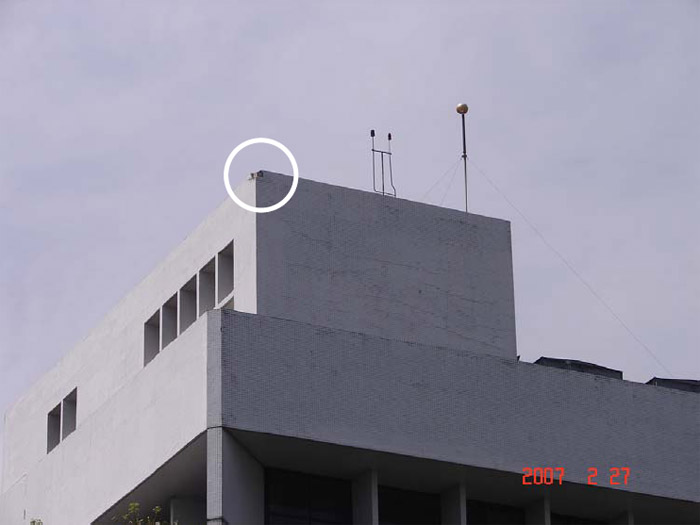
Figure 14: The bypass nearest to the Dynasphere air terminal about 10 metres away.
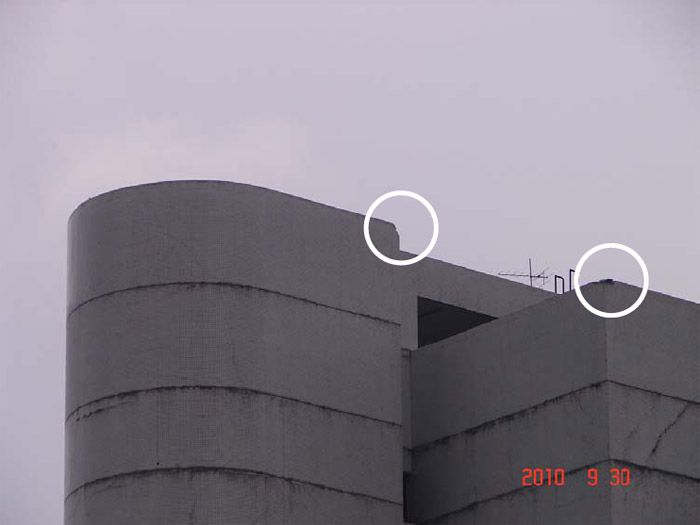
Figure 15: The two bypasses on the west wing of the DCS building.
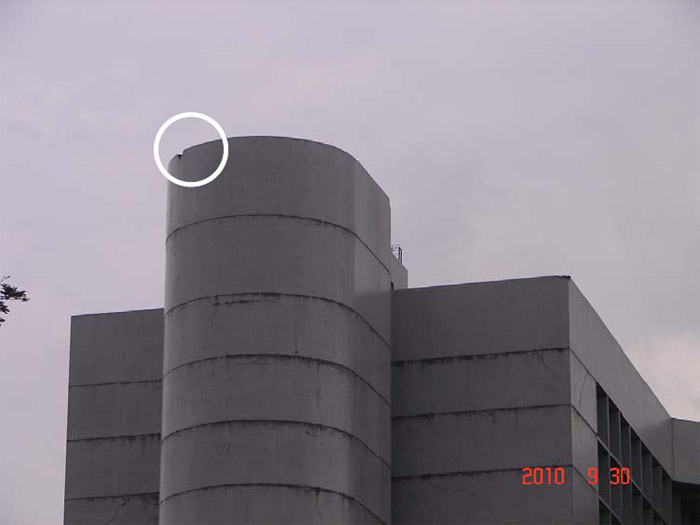
Figure 16: A bypass on the curved edge of the parapet wall on the west wing of the DCS building.
The proximity of the bypass closest to the Dynasphere air terminal again cast serious doubt on the existence of the so-called “collection volume”.
2.3 Villaputri Building, downtown Kuala Lumpur
This 170 metre high building was installed with two Dynasphere air terminals in 1996 (Fig. 17). The unique feature of this building is that most of the corners are curved instead of angular thus giving the two Dynasphere air terminals the maximum opportunity to collect all lightning strikes that come within their claimed enhanced “collection volumes”. However, several bypasses have been observed on the curved corners which are not supposed to have any collection volume, thus dispelling the CVM hypothesis (Figs. 18 to 20).
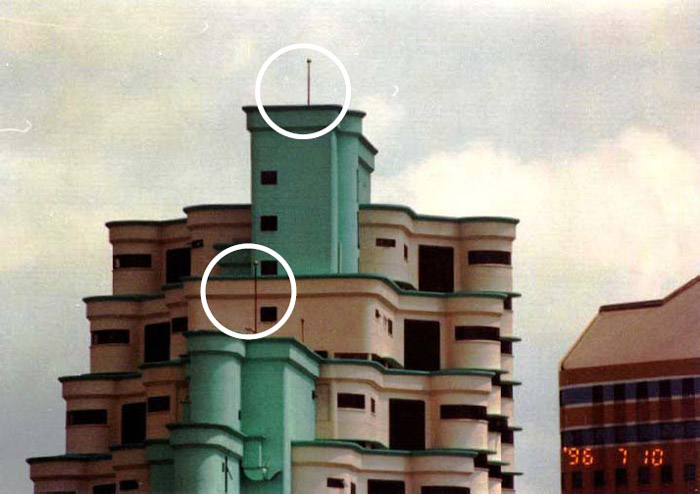
Figure 17: A photo of the Villaputri building and the two Dynasphere air terminals (circled) taken
from a nearby tall building in 1996.
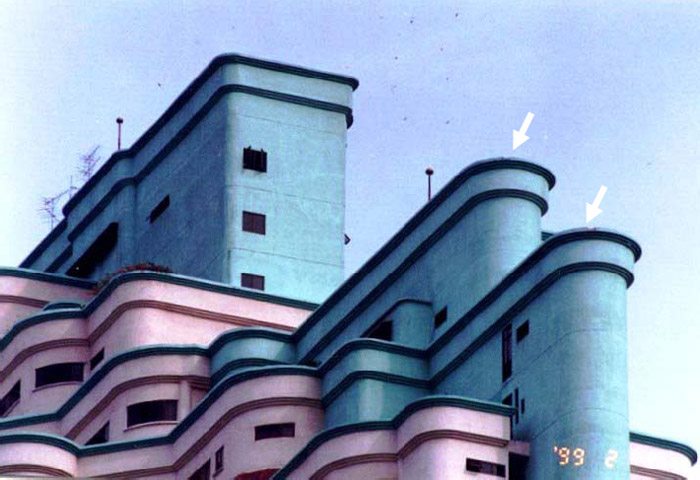
Figure 18: Two bypasses observed on the edges of the middle and lower curved roofs in 1999.
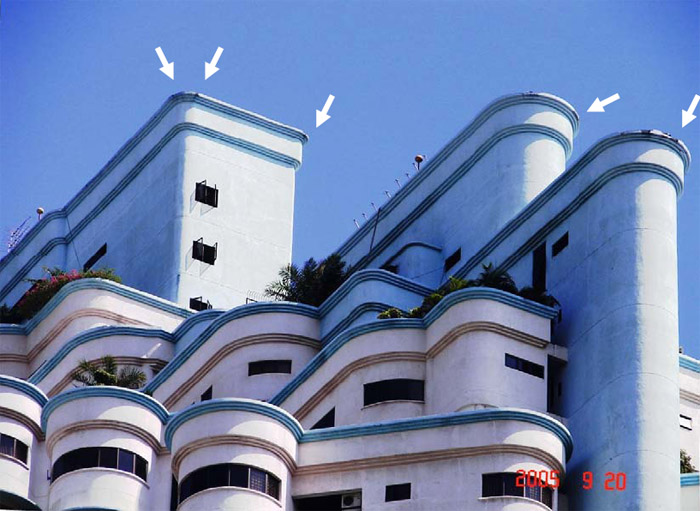
Figure 19: Five additional bypass locations were observed on the edges of the upper, middle and
lower curved roofs in 2005.
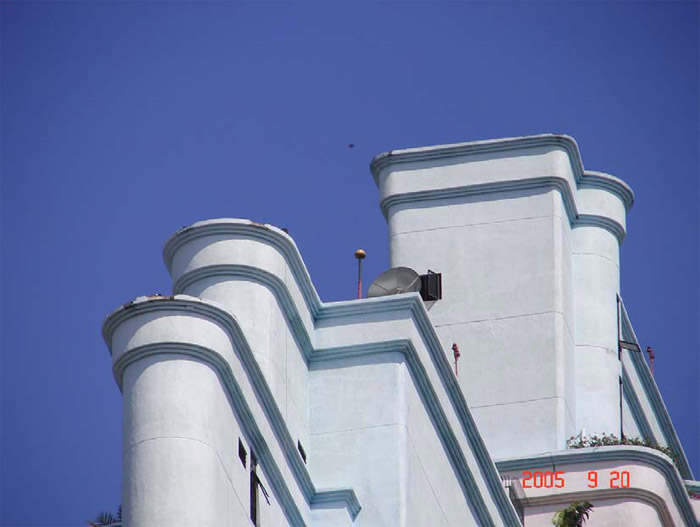
Figure 20: A view of the Villaputri building from a different angle. Since the curved edges had been
struck by lightning repeatedly, the claimed existence of the collection volume is doubtful.
3. DISCUSSION & CONCLUSION
In the fairy tale by Hans Christian Andersen, “The Emperor’s New Clothes”, two
crafty tailors told an Emperor that they can make for him the finest suit of clothes from a
special fabric that is invisible to anyone who is unfit for his position or just plain stupid.
When shown the non-existent special fabric, the Emperor pretended that he could see it for
fear of appearing unfit for his position or being regarded as stupid. Unfortunately, his
ministers and close aides in the castle did the same for fear of being ridiculed.
When the tailors reported that the suit is finished, they pretended to dress the Emperor
in the finest clothes and he then appeared in a public procession. None of his loyal subjects
dared to say anything about what they saw, since perhaps they too were told about the special
fabric, until a child in the crowd cried out that the Emperor was not wearing anything at all
(except for his underwear).
The above fairy tale can be applied in the present discussion about the CVM and ESE
standard. Both methods of air terminal placement on buildings claimed enhanced protection
zones whose radii depended on imaginary parabolic shaped protection zones that have not
been scientifically proven in the past two decades.
The bypasses shown in the case studies provided clear evidence that the CVM is not a
valid air terminal placement method for low as well as high buildings. While most bypasses
can be observed on tall buildings a few years after the Dynasphere air terminals have been
installed, a few have been observed and photographed just a few months after the installation.
Like the tailors of the invisible clothes, the proponents of the CVM have resorted to
dubious means to convince the public to accept their defunct product. This included
highlighting the Australian standard in their product brochures without clarifying its nonvalid
status, using questionable lightning event counters that registered unusually high
number of “lightning strikes”, mentioning the absence of bypasses on metal clad buildings in
data collection and failing to record bypasses in Dynasphere maintenance records simply
because the building owners and the public have no knowledge to identify them.
After two decades of continuous failure, the continued use of the CVM to position the
Dynasphere or any other air terminal will only endanger the building and the occupants to
direct lightning strikes. The Dynasphere and other ESE air terminals, like faulty motor
vehicles, should be recalled in the interest of public safety worldwide.